No more guessing, temporary fixes, or being told it is just age.
Shoulder Pain
Shoulder pain care for motion, strength, and daily function.
Shoulder pain may involve tendons, joint irritation, nerve symptoms, or movement restrictions that need a clear plan.

The PRM Method
Diagnosis first. Treatment second. Function always.
PRM does not start with a procedure menu. Dr. Kim looks for the real cause of your pain and builds a treatment path around your body, your goals, and the life you want back.
Regenerative medicine, decompression, guided procedures, diagnostics, laser, and rehabilitation.
Walk, sleep, climb stairs, work, play with family, and move with growing confidence.
Services that may be part of the plan
Treatment follows the source.
Dr. Kim may recommend one or more services depending on the diagnosis, prior care, and functional goal.
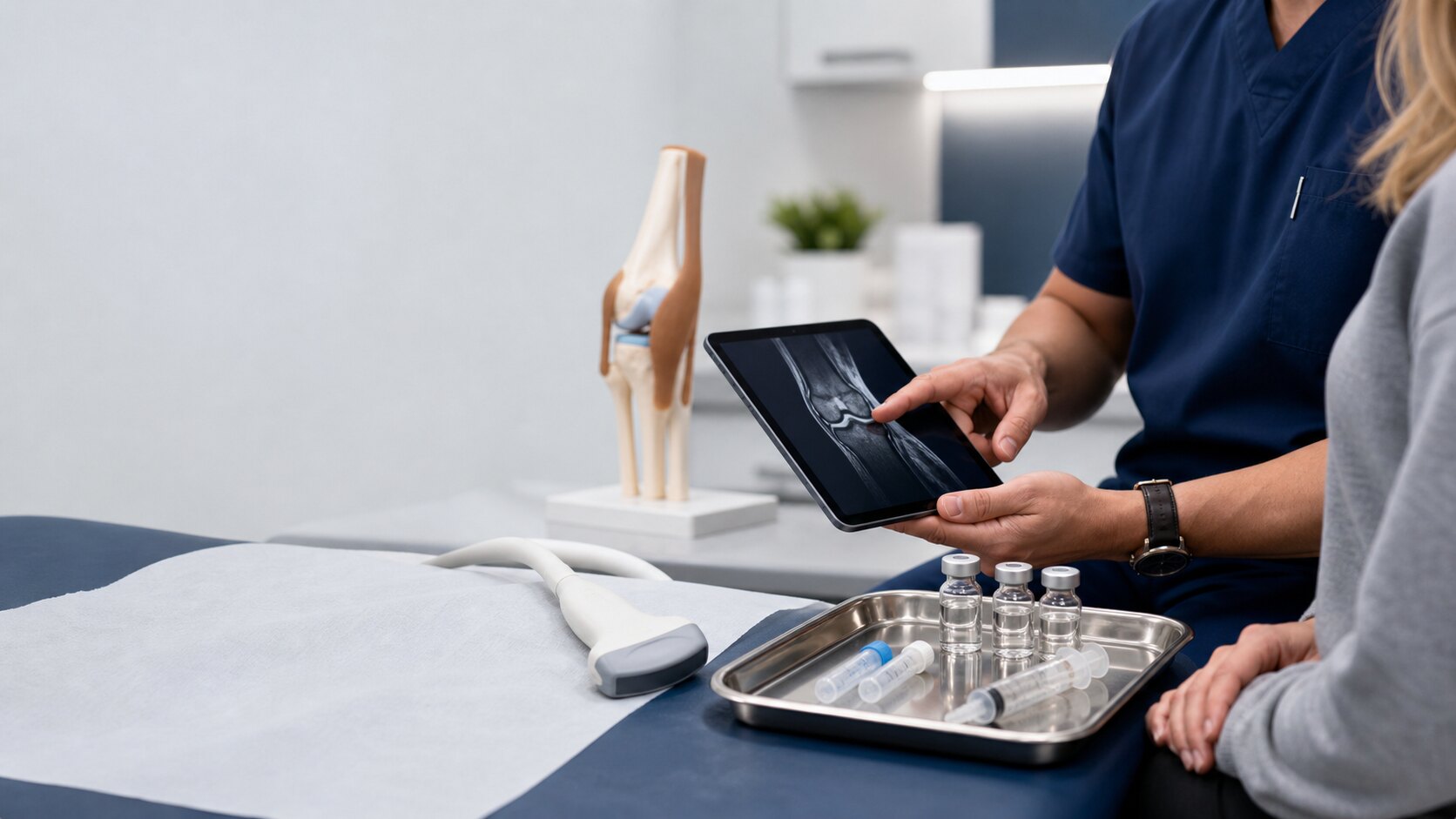 Regenerative medicine
Regenerative orthopedic care, selected with diagnosis first.
Regenerative medicine
Regenerative orthopedic care, selected with diagnosis first.
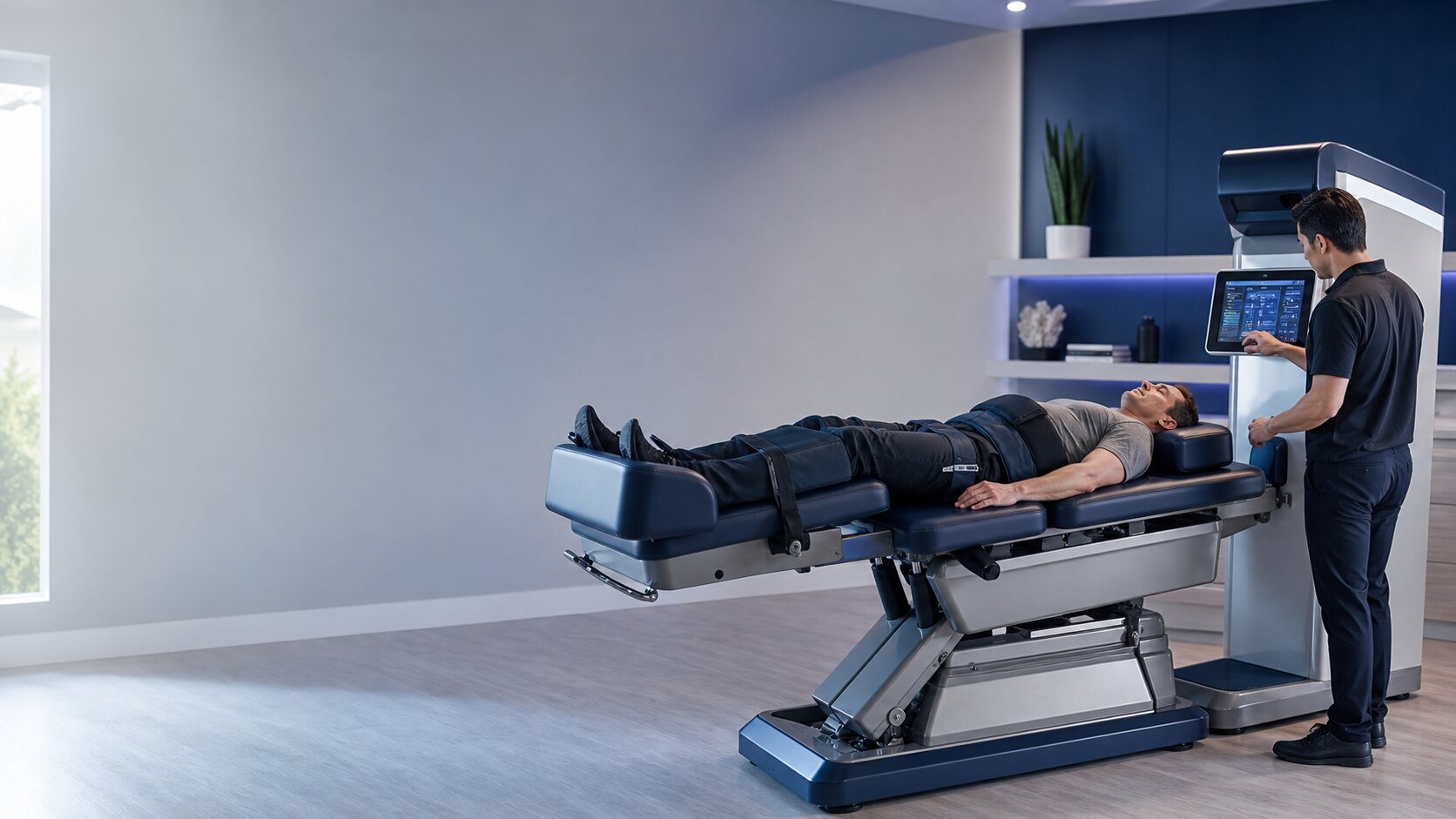 Spinal decompression
Non-surgical decompression for disc-driven pain.
Spinal decompression
Non-surgical decompression for disc-driven pain.
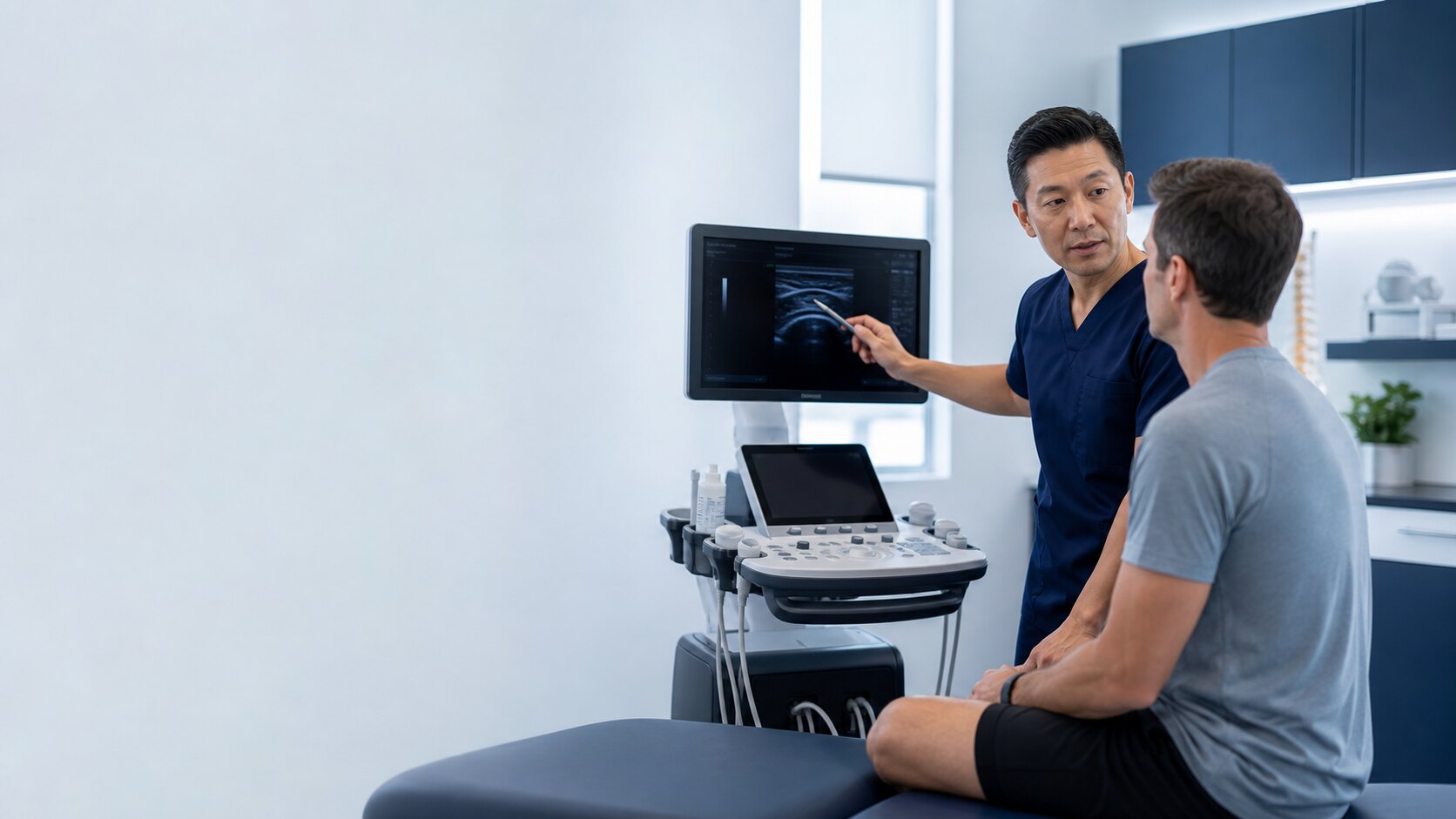 Diagnostics and imaging
Better treatment starts with better answers.
Diagnostics and imaging
Better treatment starts with better answers.
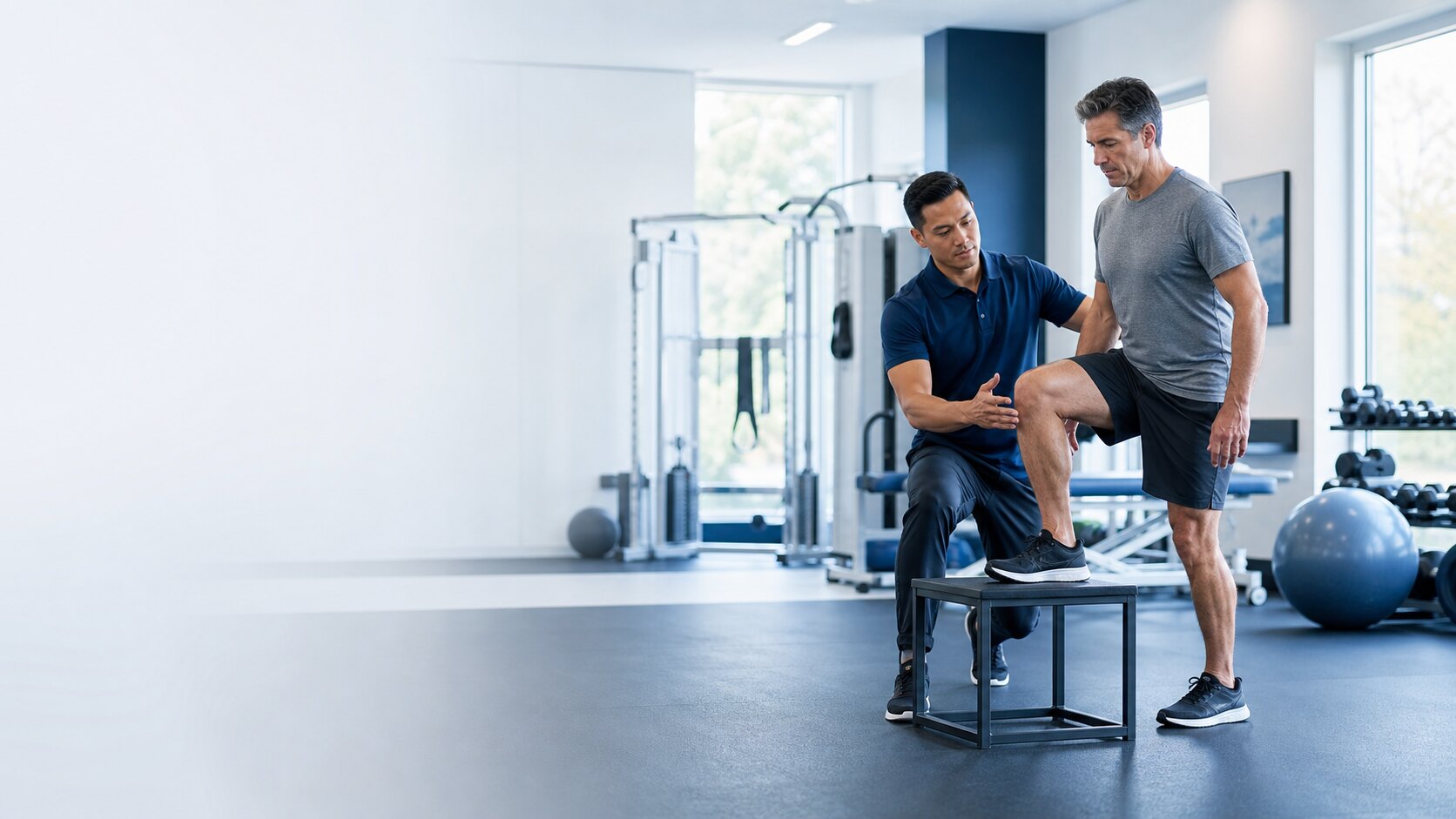 Rehabilitation medicine
 focused on what life requires.
Rehabilitation medicine
Rehabilitation medicine focused on what life requires.
Start with a conversation
Ready to get clearer answers?
Tell the team what you are dealing with and the office will help route you to the right next step.